
Search engine optimization (SEO) continues to evolve as Google becomes smarter and more capable of understanding user intent. One of the major technologies behind this advancement is the Google Knowledge Graph. Whether you run a business website, publish content, or manage SEO for clients, understanding the Knowledge Graph is essential for achieving better visibility in search results.
This blog explains what the Google Knowledge Graph is, how it works, why it matters, and how you can optimize your brand to appear in it.
What Is Google Knowledge Graph?
Google Knowledge Graph is a large database that helps Google understand real-world information about people, places, organizations, things, and facts. Instead of just matching keywords, it connects information like a human mind, by recognizing relationships.
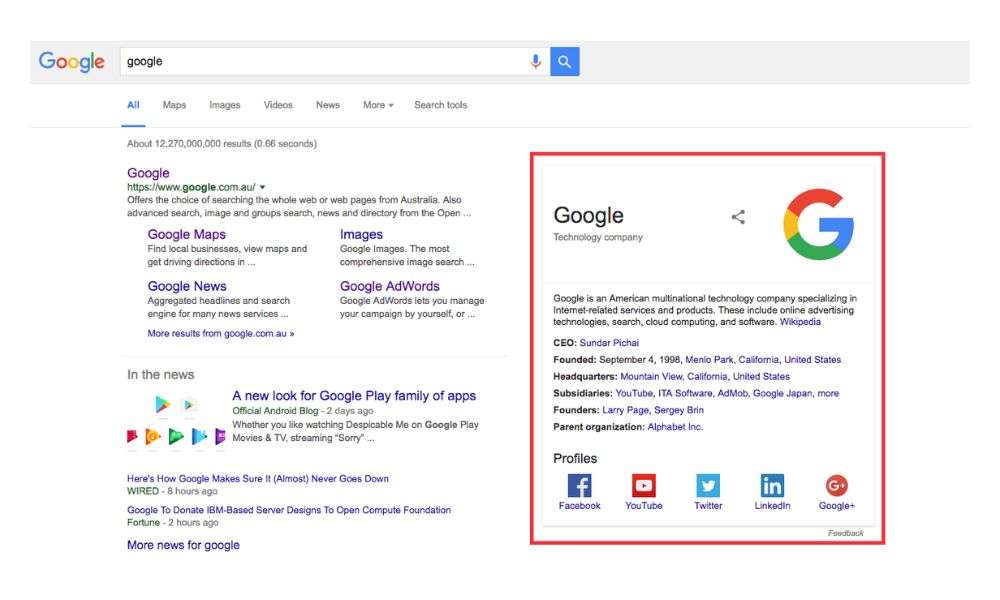
When you search for something, Google may show a Knowledge Panel on the right side (desktop) or at the top (mobile). This panel displays structured information pulled from trusted sources.
Example
If you search “Taj Mahal,” you will see:
- A short description
- Photos
- Location
- Construction date
- Architect
- Related monuments
This information comes from the Knowledge Graph, not from any single website.
How the Google Knowledge Graph Works?
Google uses the Knowledge Graph to understand entities and their relationships. An “entity” means anything that exists as a single unit, like a brand, person, movie, product, or landmark.
Key Components of the Knowledge Graph
- Entities: The main subject (example: Apple Inc.)
- Attributes: Its characteristics (example: CEO, headquarters)
- Relationships: How it is connected to other entities (example: Apple → makes → iPhone)
Google gathers data from reliable sources like:
- Wikipedia
- Official websites
- Government portals
- Trusted business directories
- High-authority data providers
The final goal is to deliver accurate, quick, and context-rich information to users.
What Is a Knowledge Panel?
A Knowledge Panel is the visual box that appears in search results. It is created based on information stored in the Knowledge Graph.
It shows:
- Business name
- Logo
- Description
- Social media links
- Website
- Address and phone number
- Popular products/services
- Reviews
- Images or brand visuals
If your brand appears in a Knowledge Panel, it increases trust and authority instantly.
Benefits of Google Knowledge Graph for SEO
The Knowledge Graph plays a major role in modern SEO because it focuses on entity understanding rather than just keyword matching. Here are the main advantages:
1. Boosts Website Visibility
Appearing in the Knowledge Graph increases your chances of showing up in multiple search elements:
- Knowledge Panels
- Featured Snippets
- People Also Ask
- Rich Results
- Brand Searches
2. Enhances Brand Authority and Credibility
Users trust search results more when they see a verified Knowledge Panel. This improves:
- Brand reputation
- User confidence
- Click-through rate
3. Improves Search Understanding
When Google understands your brand as an entity, your content is more likely to appear for:
- Semantic searches
- Broad match queries
- Voice search results
4. Supports Voice Search and AI Search
- Voice assistants like Google Assistant rely heavily on the Knowledge Graph.
- If your brand is included, you have a higher chance of appearing in voice answers.
5. Helps with Local SEO
For local businesses, Knowledge Graph plays a big role in:
- Displaying business details
- Showing ratings and reviews
- Highlighting operating hours
- Increasing call and visit conversions
How to Get Your Business Into the Google Knowledge Graph
Appearing in the Knowledge Graph is not guaranteed, but you can improve your chances by building a strong online presence and structured data.
1. Create or Claim Your Google Business Profile
This is the first step for local businesses.
- Add accurate name, address, and phone number
- Upload photos and logo
- Add services, products, and working hours
- Update regularly
2. Improve Your Website’s About Page
Google evaluates your website to understand your business.
Your About page should include:
- Who you are
- What you offer
- Your history
- Your team
- Your location
- Links to official profiles
3. Use Schema Markup (Structured Data)
Schema markup helps Google understand your content better.
Useful schemas include:
- Organization
- Local Business
- Person
- Website
- Product
- FAQ
Adding structured data increases your chances of qualifying for rich results and entity recognition.
4. Build Presence on High-Authority Platforms
Google uses trusted sources to verify information.
Create or update profiles on:
- Wikipedia (if eligible)
- Wikidata
- Crunchbase
- Government-authorized business directories
- Industry directories
5. Maintain Consistent NAP Information
Your Name, Address, and Phone Number must match across all platforms.
Inconsistency reduces your credibility in the Knowledge Graph.
6. Secure Backlinks from Reputable Websites
High-quality backlinks help Google trust your business entity.
Focus on:
- Local news coverage
- Industry blogs
- Guest posts
- Business listings
7. Encourage Online Reviews
Reviews build trust and help your business appear in:
- Local search
- Knowledge Panels
- Map listings
Collect reviews from:
- Industry platforms
Common Reasons a Business Does Not Appear in the Knowledge Graph
Many businesses try but fail to appear in the Knowledge Graph due to certain factors:
- Not Enough Online Presence: If you are new or have limited digital footprints, Google cannot verify your entity.
- No Structured Data: Without schema markup, Google struggles to understand the context of your website.
- Inconsistent Information: Different names, addresses, and contact details confuse Google's algorithms.
- Not Recognized as an Entity: Your brand must be unique and appear across multiple reliable sources.
Future Role of Google Knowledge Graph in SEO
With the rise of AI-powered search experiences, Knowledge Graph will become even more important.
Expected Future Trends
- More AI-driven SERP features
- Better entity linking
- More personalized search results
- Greater importance of structured data
- Increased relevance of voice search answers
SEO will move beyond keywords to full entity and intent optimization.
Digi Enter
Digi Enter is a trusted digital marketing and web development company dedicated to helping businesses grow in the digital world. We specialize in SEO, Google Ads, social media marketing, website design, and content creation to deliver measurable results. With a focus on smart strategies, creative solutions, and performance-driven campaigns, Digi Enter ensures increased visibility, quality leads, and long-term business success. Whether you are a startup or an established brand, we help you build a strong online presence.
Wrapping Up
Google Knowledge Graph is a powerful system that helps Google deliver accurate, reliable, and meaningful information to users. For businesses and SEO professionals, appearing in the Knowledge Graph increases visibility, authority, and trust.
By creating a strong brand presence, implementing structured data, maintaining accuracy across platforms, and building credibility through reviews and backlinks, you can significantly improve your chances of being included in Google’s Knowledge Graph.
Understanding how the Knowledge Graph works and aligning your SEO strategy with it is essential for long-term success in modern search.
Don't Miss: What Is Responsive Web Design and Why Is It Important?


